
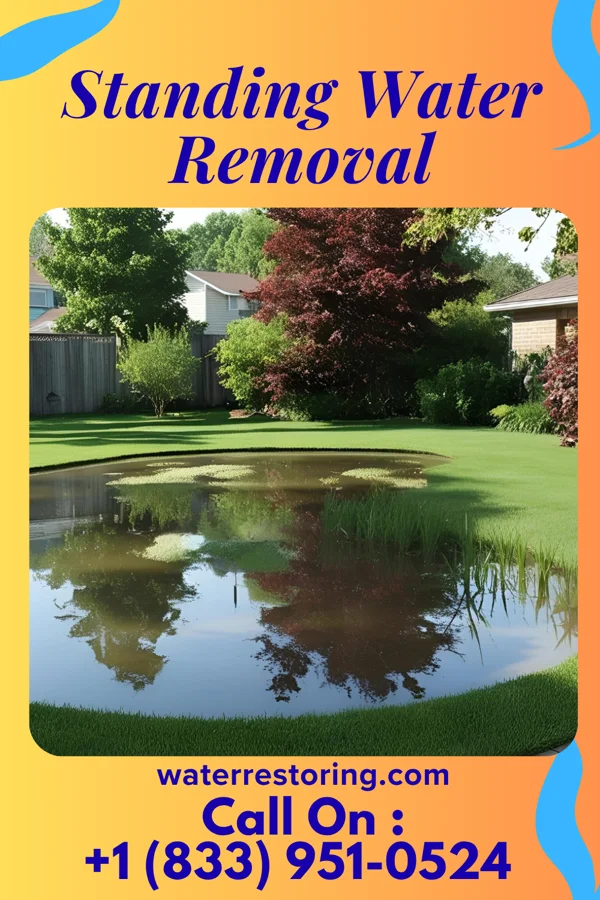
Standing Water Across Berry College Neighborhoods
Every neighborhood in Berry College has a different water damage risk profile. The one that shows up on most restoration calls is At Berry College, Georgia, water damage often stems from leaking roofs, plumbing failures, and heavy rainfall common during the spring and fall seasons. The college's historic campus, with many older buildings, is particularly vulnerable to water infiltration through aging infrastructure.. A close second is Secondary causes include broken pipes in campus dormitories, faulty HVAC systems, and flooding from nearby streams or rivers, especially during severe weather events. Additionally, improper drainage around campus buildings can lead to persistent moisture issues..
Berry College experiences a humid subtropical climate with frequent thunderstorms and heavy rainfall, increasing the risk of water damage. The surrounding rural areas and proximity to Rome, GA, can also lead to flash flooding during extreme weather events.
Water damage in Berry College follows a few local patterns. At Berry College, Georgia, water damage often stems from leaking roofs, plumbing failures, and heavy rainfall common during the spring and fall seasons. The college's historic campus, with many older buildings, is particularly vulnerable to water infiltration through aging infrastructure. accounts for the bulk of our calls. Berry College experiences a humid subtropical climate with frequent thunderstorms and heavy rainfall, increasing the risk of water damage. The surrounding rural areas and proximity to Rome, GA, can also lead to flash flooding during extreme weather events. Mold growth can occur rapidly in Berry College's older buildings, especially in areas with poor ventilation or previous water exposure. Prompt action is critical to prevent long-term structural damage and health risks.